Upholstery cleaning on Brecknock Road Tufnell Park: a practical local guide for fresher, healthier furniture
If your sofa has started looking a bit tired, or the armchair by the window has picked up that dull, lived-in sheen, you are not alone. Upholstery cleaning on Brecknock Road Tufnell Park is one of those jobs people put off until the marks become impossible to ignore. Then, suddenly, the room feels smaller, dustier, and less welcoming than it should. The good news? A proper clean can make a real difference without replacing the furniture you already like.
This guide explains how upholstery cleaning works, why it matters in a busy North London home, when it is worth booking a professional, and what to expect before, during, and after the job. It also covers common mistakes, a helpful checklist, and a realistic comparison of cleaning methods so you can make a sensible decision, not a rushed one.
Why Upholstery cleaning on Brecknock Road Tufnell Park matters
Upholstery is one of the hardest-working surfaces in the home. You sit on it, lean on it, nap on it, eat on it, and, let's face it, occasionally spill on it. Over time, fabric furniture collects dust, skin flakes, outdoor dirt, pet hair, drink marks, food residue, and everyday odours. Even if a sofa looks clean from across the room, fibres can hold far more than you expect.
On a road like Brecknock Road, where homes often balance busy family life, pets, deliveries, visitors, and compact living spaces, upholstery tends to take a beating. Curtains are closed, windows are open, shoes get kicked off by the door, and suddenly the furniture is working as the backdrop for everything. That is why a regular clean is not just about appearances. It helps keep the room feeling fresh, reduces lingering smells, and extends the life of the fabric.
It also matters because upholstery damage is often gradual. By the time a stain is obvious, it may already have travelled deeper into the padding. That is where a targeted professional approach is useful. A decent clean does more than brighten the surface; it can help lift embedded soils before they become permanent. Truth be told, that is usually what people notice first: the room smells cleaner, feels lighter, and looks more cared for.
Expert summary: If your furniture is used daily, upholstery cleaning is best treated as routine maintenance rather than a last-resort fix. Acting early usually gives you more fabric life, fewer odours, and better results overall.
How Upholstery cleaning on Brecknock Road Tufnell Park works
Professional upholstery cleaning is usually more methodical than people expect. It is not just a matter of spraying soap and hoping for the best. A proper clean starts with identifying the fabric type, the level of soiling, and any problem areas such as ink, wine, body oils, pet accidents, or ground-in dust.
Most reputable cleaners will begin with inspection. That includes checking the label where possible, testing in an inconspicuous area, and deciding whether the material is suitable for wet cleaning, low-moisture cleaning, or a more delicate specialist method. This matters because different fabrics react differently. A sturdy synthetic sofa can usually handle more moisture than a delicate natural fibre or a piece with unstable dye.
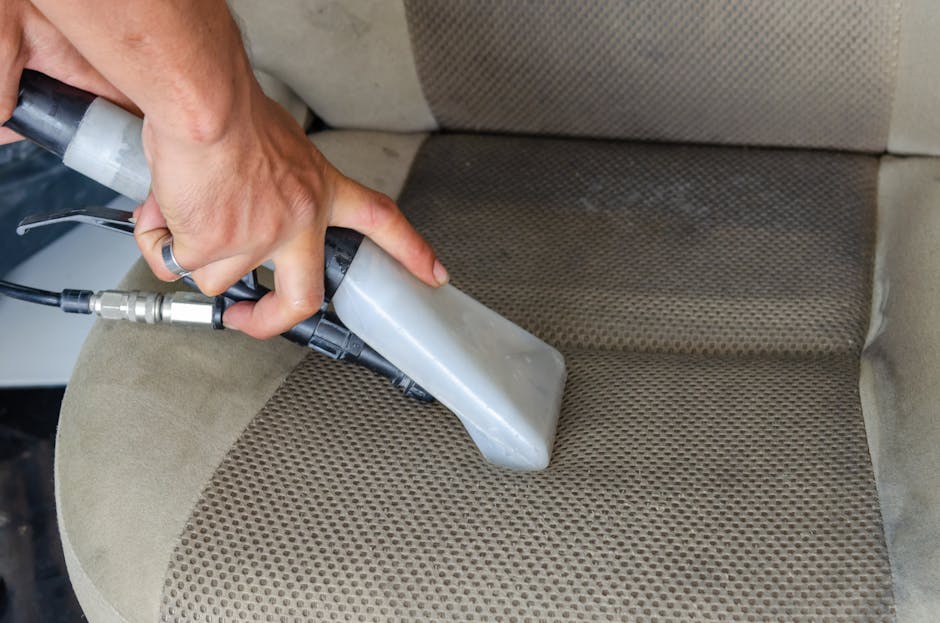
After inspection, loose debris is removed. Think crumbs, pet hair, lint, dust, and the little bits that get trapped under cushions and in seams. Then the cleaner typically applies a pre-treatment to loosen embedded dirt and target stains. Agitation may be used gently, depending on the fabric. Finally, the soil is extracted or wiped away using the chosen method, and the item is left to dry under sensible ventilation.
In many cases, the process also includes deodorising or spot treatment. For example, a home with a cat or dog may benefit from a more focused approach such as pet stain and odour removal, while a sofa with a particularly stubborn mark may need stain removal support as part of the clean.
If the furniture is part of a wider refresh, some households also combine the visit with sofa cleaning, rug cleaning, or even curtain cleaning so the whole room feels consistent. That is usually a smarter use of time than cleaning one item now and wondering about the others later.
Key benefits and practical advantages
People often think upholstery cleaning is mainly about making furniture look nicer. That is true, but it is only part of the story. The practical gains are broader, and some are more noticeable than others.
- Better appearance: Fabric tends to lose its colour depth when dust and grime settle in. Cleaning brings back clarity and texture.
- Improved freshness: Odours trapped in fibres can make a room feel stale. A good clean helps reset that.
- Longer fabric life: Embedded grit acts a bit like sandpaper over time. Removing it reduces wear.
- Healthier feel at home: While upholstery cleaning is not a medical treatment, it can reduce the buildup of dust and allergens on frequently used surfaces.
- Better first impressions: Useful if you have guests, tenants, clients, or simply want your home to feel looked after.
- Cost efficiency: Cleaning is usually cheaper than replacing quality furniture, especially if the frame and padding are still in good shape.
There is also a psychological benefit that people underestimate. A cleaner sofa changes how the whole room feels. You sit down and notice it. The space seems calmer, less grubby around the edges. That sounds small, but it matters in real homes.
If you are already comparing maintenance options, it may help to look at the broader service range too, including upholstery cleaning alongside carpet cleaning or steam carpet cleaning when a full-room refresh is needed.
Who this is for and when it makes sense
Upholstery cleaning on Brecknock Road Tufnell Park makes sense for a wide range of people, but the timing depends on how the furniture is used and what kind of wear it has picked up.
You may want to book if you recognise any of these situations:
- Your sofa has visible food marks, drink rings, or patchy dull areas.
- There is a persistent smell that does not go away with normal airing.
- You have pets that lie on the furniture, especially if accidents have happened.
- Children use the sofa as a snack station. Happens everywhere, honestly.
- You are moving out, moving in, or getting a property ready for sale or rental.
- Guests are coming and you suddenly notice the armrests look a bit grim.
- Fabric feels sticky, greasy, or just not as pleasant as it used to.
This service is also useful for landlords, letting agents, and small businesses that have upholstered chairs, reception seating, or waiting-room furniture. In commercial settings, the appearance of the seating can affect how professional the space feels. For those environments, it is worth looking at commercial carpet cleaning as part of a wider upkeep plan, because the floor and furniture usually age together.
If your item is delicate, antique, or silk-heavy, the job still makes sense, but it needs more caution. That is where inspection and fabric testing become especially important. Better to slow down than ruin a lovely chair in one over-enthusiastic go.
Step-by-step guidance
If you want to know what a well-run upholstery clean actually looks like, here is the basic flow. It is fairly straightforward, but each step matters.
- Identify the fabric type. Check for manufacturer tags if they are present. Some pieces can handle wet extraction; others need more controlled low-moisture treatment.
- Vacuum thoroughly. Use crevice tools and upholstery attachments to get into seams, folds, and under cushions.
- Spot test first. A cleaner should test a small hidden area before treating the whole piece. This helps avoid dye transfer or fibre distortion.
- Pre-treat problem areas. Marks from food, drinks, body oils, or pets may need a targeted solution before the main clean.
- Clean with the correct method. Depending on the fabric, that may mean extraction, controlled shampooing, dry cleaning, or a specialist approach.
- Extract or remove residue. The aim is to lift soil without leaving sticky detergent behind. Residue can attract more dirt later, which is annoying and avoidable.
- Dry correctly. Good ventilation matters. Fans, open windows, and sensible room temperature all help. Avoid sitting on it too soon.
- Final inspection. Check corners, buttons, seams, and arms where dirt tends to hide.
That last step matters more than people realise. A sofa can look finished from the front, but seams and piping often tell the truth. Tiny dark lines there usually mean the cleaner needs to spend a little more time on detail areas.
Expert tips for better results
After enough furniture cleans, a few habits make a very noticeable difference. Nothing fancy. Just practical stuff that saves trouble.
- Deal with spills quickly, but gently. Blot, do not rub. Rubbing pushes the stain deeper and can fuzz the fibres.
- Vacuum weekly if possible. Even a quick pass helps prevent grit from settling into the weave.
- Rotate cushions. It spreads wear and stops one side from flattening too quickly.
- Keep food rules realistic. Total bans never last. But a tray for drinks and a few sensible boundaries really help.
- Watch for sun fading. If one side of the sofa sits by a bright window, colour change can be uneven. Cleaning will not reverse fading, but it can improve the overall look.
- Choose the right moisture level. Over-wetting is one of the fastest ways to create long dry times and musty smells.
- Ask about fabric-safe products. The best results usually come from targeted solutions, not strong generic chemicals.
A small aside: if you have ever looked at a sofa and thought, "that only needs a little clean," you are probably half right. The trick is that the other half matters too. Fabric structure, backing, dye stability, drying time. It all matters.
For homes that need a broader refresh, pair upholstery care with mattress cleaning or curtain cleaning so soft furnishings are maintained as a set rather than in isolation.
Common mistakes to avoid
Upholstery cleaning is one of those jobs where a few small mistakes can create bigger problems than the original mark. Here are the ones that come up most often.
- Using too much water. Fabric that seems dry on the surface may still have wet padding underneath. That can lead to odours or long drying times.
- Scrubbing aggressively. This can distort pile, spread stains, or damage delicate fibres.
- Skipping the test patch. Always risky. A colour change or water mark can appear after the area dries.
- Using random household cleaners. Some products leave sticky residue, bleach the fabric, or interact badly with upholstery dyes.
- Cleaning only the stain. Spot-cleaning one patch can leave a noticeable ring. Often you need to blend the whole panel or section.
- Sitting on the furniture too soon. It feels harmless, but it can compress damp fibres and slow drying.
Another common one: forgetting that odour may be coming from the padding, not just the visible fabric. If a smell has a pet-related cause, a broader treatment such as pet stain and odour removal may be more effective than a surface-only refresh.
And, yes, one more thing. Avoid trying five different cleaning tricks in a row. That way lies chaos.
Tools, resources and recommendations
You do not need a warehouse full of equipment to look after upholstered furniture, but the right tools help. The goal is to maintain the fabric between professional visits and keep minor issues from becoming major ones.
| Tool or resource | What it helps with | Practical note |
|---|---|---|
| Upholstery vacuum attachment | Removing dust, crumbs, and hair | Use gently so you do not pull threads or loosen trims |
| Soft brush | Loosening surface dirt before vacuuming | Best for durable fabrics, not delicate weaves |
| Microfibre cloths | Blotting spills and wiping residue | Use clean cloths only, otherwise you may spread the mess |
| Fabric-safe spot treatment | Treating fresh marks | Check compatibility first and keep the application light |
| Good ventilation | Helping drying after cleaning | Open windows when weather allows and avoid trapping moisture |
If you are choosing a provider, do not just look for the cheapest price. Look for clear service descriptions, sensible communication, and information about methods used. Pages such as pricing and quotes, insurance and safety, and health and safety policy are useful trust signals because they tell you how seriously a business treats the work and the customer experience.
It can also be reassuring to review about us and terms and conditions before booking. Not glamorous, but sensible. You know where you stand, which is often half the battle.
Law, compliance, standards, or best practice
For most households, upholstery cleaning is a straightforward maintenance service, but there are still sensible standards to follow. In the UK, the main expectations are practical rather than complicated: use safe products, follow fabric-care instructions where they exist, and avoid causing damage through careless cleaning or poor drying.
If the work is carried out in a commercial setting, risk awareness becomes more important. Operators should take care with slips, electrical equipment, ventilation, and product handling. Good practice usually includes keeping cleaning solutions appropriate to the material, using insurance where relevant, and communicating clearly about limitations, especially on delicate or aged fabrics.
For customers, the best approach is to ask simple questions. What method will be used? Is the product safe for my fabric? How long will drying take? What happens if a stain does not fully lift? You do not need legal language. You just need straight answers.
That is also why supporting pages like insurance and safety and payment and security can matter when comparing providers. They help you judge professionalism without having to guess.
One more best-practice point: if an item is antique, valuable, or structurally fragile, treat it as a specialist job rather than a routine clean. There is no prize for being brave with a chair that should have been handled more carefully.
Options, methods, or comparison table
Different upholstery fabrics and conditions call for different approaches. The right method depends on the material, the stain type, and how much moisture the item can safely tolerate.
| Method | Best for | Advantages | Watch-outs |
|---|---|---|---|
| Hot water extraction / wet cleaning | Many synthetic sofas and heavily soiled items | Deep soil removal, good for everyday grime | Needs careful drying and is not suitable for all fabrics |
| Low-moisture cleaning | Fabrics that need a lighter touch | Faster drying, less water penetration | May be less effective on deep staining |
| Dry or solvent-based cleaning | Delicate or water-sensitive materials | Safer for certain fibres | Requires fabric knowledge and proper handling |
| Targeted stain treatment | Specific marks such as wine, grease, or pet spots | Focused and efficient | Not a full substitute for whole-piece cleaning |
For many households, the answer is not one method forever. It is a mix. A sofa might need full cleaning once in a while, then spot treatment between visits. If you are also maintaining floors, carpet cleaning often pairs well with upholstery work, especially in living rooms that see daily use.
Case study or real-world example
Picture a typical front room on Brecknock Road. Family sofa, armchair by the radiator, a rug under the coffee table, and a couple of years' worth of ordinary living. Nothing dramatic. No disaster, just the usual build-up: pale fabric that has gone slightly grey at the arms, a faint smell after rainy days, and a stubborn mark near the seat cushion where someone once set down a mug too close to the edge.
In a situation like that, a sensible upholstery clean would start with a careful inspection. The cleaner would check the fabric, identify the mug mark, look at the wear on the armrests, and test a hidden spot first. After vacuuming, a suitable pre-treatment would be applied to the darker areas, with extra attention given to the headrest and cushion edges. The room would then be aired properly so drying could happen without trapping moisture.
What usually surprises the homeowner is not just the visible change, but the feel of the room after. The fabric looks less flat. The smell has improved. The sofa no longer seems to absorb the whole atmosphere of the room. Small shift, big relief.
If the home has pets as well, the cleaner may recommend additional attention to odour-prone spots or suggest tackling the rug and sofa together. That way the freshness is more even, and you do not end up with one spotless chair sitting next to a tired-looking carpet. Bit awkward, that.
Practical checklist
Use this checklist before booking or before doing light maintenance at home.
- Check the fabric label if it is visible.
- Vacuum the furniture thoroughly, including seams and under cushions.
- Note any stains, odours, or wear patterns before the clean starts.
- Identify whether the item is delicate, antique, or colour-sensitive.
- Ask what cleaning method is recommended for the fabric.
- Confirm whether stain treatment is included or separate.
- Make sure the room can be ventilated properly afterwards.
- Keep pets and children away while the furniture dries.
- Allow enough drying time before heavy use.
- Consider combining the visit with other soft furnishings if needed.
One simple but useful habit: take a quick photo before the clean. If a mark is being treated, you will have a fair before-and-after reference, and it helps everyone stay on the same page. Nothing fancy. Just practical.
Conclusion
Upholstery cleaning on Brecknock Road Tufnell Park is really about making everyday life feel better. Cleaner furniture does not just look nicer; it feels more comfortable, smells fresher, and lasts longer when cared for properly. The trick is matching the method to the fabric, avoiding the usual mistakes, and treating spills and odours early rather than late.
If you are weighing up whether your sofa, chairs, or other soft furnishings need attention, the answer is usually easier than it seems. If they are used often, look dull, or carry a lingering smell, they probably do. And if you want broader home freshness, it often makes sense to combine upholstery care with related services such as carpet, rug, curtain, or mattress cleaning for a more complete result.
Get a free quote today and see how much you can save.
Sometimes a room does not need replacing at all. It just needs a proper reset, and that can be a quiet little transformation.
Frequently Asked Questions
How often should upholstery be cleaned in a busy home?
For a regularly used sofa or armchair, many people find that periodic professional cleaning makes sense when the fabric starts to look dull or feel less fresh. Homes with children, pets, or heavy daily use often need attention more frequently than occasional-use furniture.
Can all upholstery fabrics be wet cleaned?
No, not all fabrics are suitable for wet cleaning. Some materials are water-sensitive, delicate, or prone to colour movement. That is why inspection and a test patch are important before any full treatment begins.
Will upholstery cleaning remove every stain?
Not always. Fresh stains usually respond better than old ones, and some marks may have permanently changed the fibre or dye. A good cleaner will usually explain what is realistic before starting, which is far better than overpromising.
How long does upholstery take to dry?
Drying time depends on the fabric, cleaning method, room ventilation, and how much moisture was used. Light cleaning can dry relatively quickly, while deeper wet extraction takes longer. Good airflow makes a big difference.
Is upholstery cleaning worth it compared with replacing the furniture?
Usually, yes, if the frame and structure are still sound. Cleaning is typically the more economical option and can extend the useful life of a good sofa or chair by quite a bit.
What should I do before the cleaner arrives?
Remove loose items, clear clutter from around the furniture, and vacuum if you can. It also helps to mention any stains, pet accidents, or delicate areas in advance so the cleaner can plan properly.
Can upholstery cleaning help with pet smells?
It often can, especially when the smell is sitting in the fabric. If the odour has soaked deeper into padding or if there have been pet accidents, a more targeted treatment may be needed.
What is the difference between sofa cleaning and upholstery cleaning?
Sofa cleaning is a more specific service aimed at sofas, while upholstery cleaning covers sofas plus chairs, footstools, benches, and other upholstered items. In practice, the methods overlap a lot.
Should I clean the whole sofa or just the stain?
In many cases, treating just one patch can leave a visible ring or a mismatched finish. Cleaning the whole panel or full piece often gives a more even and natural result.
Are professional cleaning products safe for children and pets?
They should be used according to the fabric and the manufacturer's guidance, and the item should be allowed to dry fully before normal use. If you have specific concerns, ask what products are being used and how the room should be aired afterwards.
Can I combine upholstery cleaning with other household cleaning jobs?
Yes, and that is often efficient. Many people choose to combine upholstery work with carpet, rug, curtain, or mattress cleaning so the whole room or home feels refreshed at the same time.
What if my upholstery is old or fragile?
Older or fragile items need more caution. A professional should inspect the fabric carefully, use a gentler approach if needed, and avoid forcing a method that could damage the piece. With treasured furniture, slower is usually safer.