Carpet cleaning near Tufnell Park station: a practical local guide
If you are looking into Carpet cleaning near Tufnell Park station, chances are you want more than a quick refresh. You want carpets that look better, smell cleaner, last longer, and do not turn into a dust trap the moment the weather changes. Fair enough. In a busy London home or workplace, carpets take a pounding from shoes, pets, spills, traffic, and the general day-to-day chaos that no one really plans for. This guide explains what professional carpet cleaning involves, when it makes sense, what to expect, and how to choose the right approach without overcomplicating things.
We will keep it practical. You will find clear steps, comparison points, common mistakes, and a simple checklist you can use before booking. If you are comparing services, you may also find it helpful to review the company's pricing and quotes information alongside the main carpet cleaning service, especially if you are deciding between a one-off clean and a more regular maintenance plan.
Table of Contents
- Why Carpet cleaning near Tufnell Park station matters
- How it works
- Key benefits and practical advantages
- Who this is for and when it makes sense
- Step-by-step guidance
- Expert tips for better results
- Common mistakes to avoid
- Tools, resources and recommendations
- Law, compliance, standards, or best practice
- Options, methods, or comparison table
- Case study or real-world example
- Practical checklist
- Conclusion
- Frequently asked questions
Why Carpet cleaning near Tufnell Park station Matters
Living or working near Tufnell Park station means your carpets are likely dealing with a very normal London mix: street grit, damp shoes, takeaway crumbs, pet fur, and the occasional spill that seems harmless at first and then becomes a permanent memory. Carpet fibres catch and hold all sorts of debris, so what looks like a surface issue can quickly become embedded dirt. That is why regular carpet care matters more than many people realise.
There is also the appearance factor. A room can be tidy, well-lit, and nicely furnished, but if the carpet looks dull or patchy, the whole place feels tired. In flats, family homes, rented properties, and offices alike, a clean carpet changes how a space feels the moment you walk in. You notice it. Even if you do not say it out loud.
And then there is longevity. Dirt acts a bit like sandpaper underfoot. Left too long, it can wear fibres down and make a carpet age faster than it should. In practical terms, that means cleaning is not only about freshness; it is part of keeping the flooring investment in decent shape. To be fair, a lot of people wait until a carpet looks "bad enough" before doing anything. That works, but not brilliantly.
Expert summary: The best carpet cleaning near Tufnell Park station is not just about stain removal. It is about protecting fibres, improving hygiene, and keeping rooms presentable without unnecessary fuss.
How Carpet cleaning near Tufnell Park station Works
Professional carpet cleaning usually starts with inspection. A cleaner looks at the carpet type, the level of soiling, any stains, fibre condition, and whether there are any awkward areas such as stairs, tight hallways, or furniture that needs moving. This matters because wool, synthetic blends, and delicate rugs do not all respond the same way.
From there, the process is generally a mix of preparation, cleaning, extraction, and drying. Some jobs use hot water extraction, often called steam carpet cleaning in everyday speech, while others rely on low-moisture methods or targeted stain treatment. The right method depends on the fabric, the dirt load, and how quickly the carpet needs to be usable again.
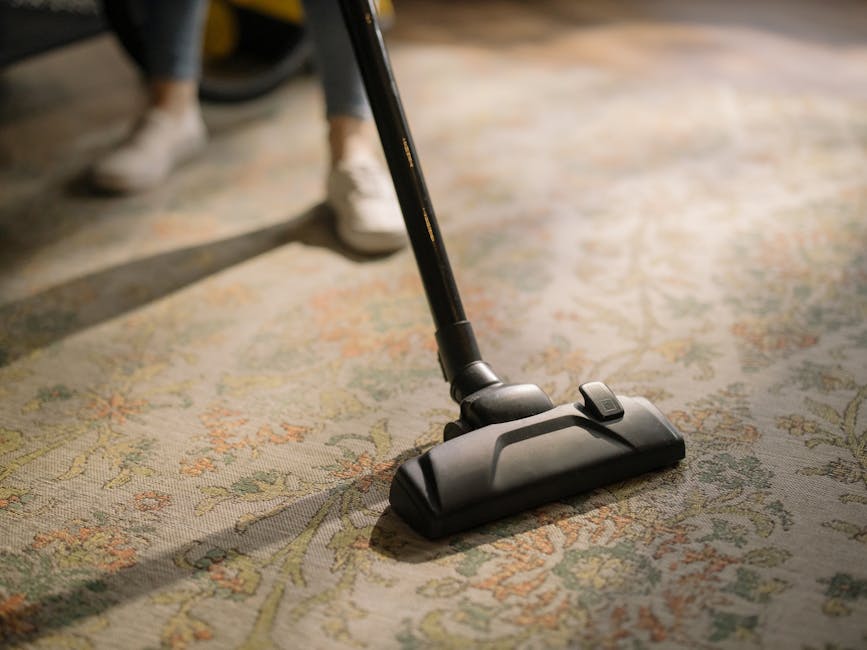
In a typical home clean, the technician may vacuum first, pre-treat traffic areas, apply a suitable solution, agitate stubborn marks, then extract the loosened soil. Some spots need more careful handling than others. A tea stain by the sofa, for example, is not the same as a long-set muddy track from the front door. Obvious, but worth saying.
If your carpet also has odour issues, pet staining, or related fabric care needs, it can make sense to look at supporting services such as pet stain and odour removal or even stain removal where a more targeted treatment is appropriate. For heavier fabric care across the room, upholstery cleaning may also be useful if sofas and chairs have picked up the same wear and tear.
Key Benefits and Practical Advantages
People usually think about carpet cleaning because something looks dirty. That is fair enough, but the benefits go further than appearance. A proper clean can reduce built-up soil, help remove lingering smells, brighten colours, and restore a carpet's texture so it feels less flat underfoot.
There is also a comfort element. Clean carpets make a room feel calmer. You tend to notice less dust, fewer patchy footprints, and fewer weird little marks that you had somehow stopped seeing. If you have guests, clients, or tenants coming and going, that matters more than people like to admit.
For landlords and letting agents, it helps with presentation between occupancies. For families, it can be a lifesaver after busy term time, winter slush, or a pet-related mishap. For offices, cleaner carpets support a more professional first impression and can help the space feel less stale, especially near high-traffic entrances.
Another practical advantage is stain control. The sooner a mark is treated, the better the outcome is likely to be. Professional treatment can often achieve more than household spot cleaning because the products, equipment, and experience are matched to the problem rather than guessed at. Guesswork is not really the vibe you want with a cream carpet.
- Cleaner appearance: brighter pile, less flattening, fewer visible tracks.
- Better freshness: reduced trapped odours from spills, pets, and daily use.
- Longer carpet life: less abrasive dirt working into fibres.
- Improved comfort: softer feel and a more welcoming room overall.
- Smarter maintenance: easier to keep on top of future marks.
Who This Is For and When It Makes Sense
Carpet cleaning near Tufnell Park station makes sense for a wide range of people, but the timing can vary. If you are a homeowner, you might book it after a particularly wet winter, before hosting family, or once you notice the carpet has gone from "fine" to "not quite right." That transition is sneaky, by the way. It happens slowly.
Renters often need a clean before moving out, especially where carpets have seen daily footfall in hallways or living rooms. Small flats around transport links can collect dirt faster than people expect, simply because the pace of life is high and shoes bring the outside in. Families with children usually need a more regular approach because spills are not a possibility; they are a schedule.
Businesses may need carpet care for reception areas, communal corridors, meeting rooms, or retail spaces. If the carpet is in a commercial setting, using the dedicated commercial carpet cleaning service is often the more sensible route, because it is designed around higher traffic and operational needs.
You may also want to book cleaning if:
- the carpet has visible traffic lanes or darkened areas
- there is a lingering smell you cannot quite pin down
- a spill has soaked through and left a mark
- allergy management is a concern in the household
- the carpet has not been deep-cleaned for a long time
- you are preparing a property for sale, rent, or inspection
Step-by-Step Guidance
Here is a simple, sensible way to approach the job so you get better results and fewer surprises.
- Identify the carpet type. Wool, synthetic, mixed fibre, and delicate rugs need different handling. If you are unsure, ask before anyone starts spraying things around.
- Check for stains and problem areas. Write down the obvious ones. Coffee, wine, pet accidents, grease, and mud often need pre-treatment.
- Move small items and clear access. A little prep saves time and reduces the chance of things getting knocked or damp.
- Vacuum properly first. Dry soil should come out before wet cleaning begins. Otherwise the machine is fighting loose grit and that is not ideal.
- Choose the right cleaning method. Steam carpet cleaning can be effective for many heavily used carpets, while some more delicate situations benefit from lower-moisture methods.
- Test treatment on sensitive areas. Good practice is to check how a fibre reacts before treating the whole carpet. No drama, just caution.
- Allow enough drying time. Plan the room use realistically. Opening windows helps, but rushing back too soon can flatten the pile or bring dirt back in.
- Finish with a final inspection. Check edges, corners, and the areas under furniture. Those are the spots people forget. Every time.
If you want to understand the business side of the process before booking, the site's about us page and insurance and safety information can be useful for background. It is always reassuring to know who is coming into your home or workspace.
Expert Tips for Better Results
A few small habits make a surprisingly big difference. First, deal with spills quickly. Blot, do not rub. Rubbing just pushes the stain deeper and frays the pile a little, which is annoying in a very specific way.
Second, think about entry points. If the hallway or front area is always the dirtiest, it may be worth focusing maintenance there more often. A carpet cleaner can remove built-up grime, but prevention does a lot of heavy lifting too.
Third, use the right expectation for the fibre. Some older carpets, especially those with heavy wear or past DIY spot treatment, will improve a lot but not magically return to factory-new. That is just reality. Still, the difference can be very noticeable.
Fourth, combine carpet cleaning with related fabric care where needed. For example, if the room has rugs that hold dust and the sofa has picked up the same everyday grime, a wider clean can feel more complete. Services such as rug cleaning and sofa cleaning can help create a consistent result across the room.
And one more thing: if a quote sounds unusually cheap, ask what is included. Sometimes the difference is in pre-treatment, moving furniture, drying support, or stain handling. It is not always a red flag, but it is worth asking. Honestly, this is the sort of question that saves hassle later.
Common Mistakes to Avoid
The most common mistake is waiting too long. People often clean only after a stain has set, traffic lanes have become obvious, and odours have settled in. At that point, more treatment is needed and results can be less predictable.
Another mistake is using the wrong product on the wrong fibre. Household cleaners are not automatically safe just because they are sold for "general use." Some leave sticky residues, which then attract more dirt. You clean once and somehow the carpet looks worse two weeks later. Frustrating, but very common.
Here are other avoidable slip-ups:
- over-wetting the carpet and leaving it damp for too long
- scrubbing stains aggressively instead of blotting
- not checking furniture feet for colour transfer
- forgetting to ventilate the room after cleaning
- choosing a method without confirming suitability for the fabric
- ignoring odour sources that come from underlay, not just the surface
One small but important note: carpets do not all behave the same way after cleaning. A spot may fade gradually as it dries, so judging the result too early can be misleading. Give it time. A bit annoying, yes, but sensible.
Tools, Resources and Recommendations
You do not need a van full of specialist kit to make good decisions, but it helps to know what matters. A decent carpet cleaning setup usually includes strong extraction equipment, suitable pre-sprays, stain-specific treatments, and tools for edges and detail work. For a home user, the main "tool" is actually judgment: knowing when a simple surface clean is enough and when deeper treatment is the better option.
If you are comparing providers, look for clear explanations of process, realistic drying guidance, and straightforward pricing. The pricing and quotes page is a useful place to start if you want to understand how a service may be structured before you book. It is also worth checking the company's payment and security information, because a smooth booking process matters when you are arranging access to your home or office.
For those trying to care for more than carpets, the related services page set can help you think about the whole room rather than just one surface. Curtains, mattresses, and upholstery often collect dust and odour in the same environment, so coordinated cleaning can be a smarter decision than doing them piecemeal. You do not have to tackle everything at once, of course. Just be strategic about it.
Law, Compliance, Standards, or Best Practice
For most readers, carpet cleaning is not a heavily regulated subject in the way plumbing or gas work might be, but there are still sensible standards and duties to keep in mind. In homes, the key issue is safe use of cleaning agents, good ventilation, and care around delicate flooring or furnishings. In workplaces, there is also a general responsibility to keep premises reasonably safe and maintained.
Best practice usually includes risk awareness, careful product handling, and proper drying to reduce slip hazards. If carpets are cleaned in commercial settings or shared areas, protecting access routes and communicating drying times becomes important. That is especially true in busy buildings where people are in and out all day.
Service providers should be able to explain basic safety measures, what to expect during the visit, and how they handle issues if something does not go quite right. If you ever need reassurance on process or service expectations, pages like health and safety policy, terms and conditions, and complaints procedure can tell you a lot about how a company operates. That kind of transparency is a good sign, not a bonus feature.
Where sustainability is a concern, it is also reasonable to ask about water use, product selection, and waste handling. If that matters to you, the company's recycling and sustainability information is worth reviewing before booking.
Options, Methods, or Comparison Table
Different carpets and different rooms benefit from different approaches. There is no single "best" method for every job, which is why the initial assessment matters so much. A simple comparison can help.
| Method | Best for | Strengths | Watch-outs |
|---|---|---|---|
| Hot water extraction | General deep cleaning, heavy soil, busy rooms | Strong soil removal, good refresh, widely effective | Needs suitable drying time; not ideal for every delicate fibre |
| Low-moisture cleaning | Quicker turnaround, lighter commercial maintenance | Faster drying, useful in some office settings | May need more frequent maintenance depending on use |
| Spot and stain treatment | Specific marks, isolated problem areas | Targets individual issues without overdoing the whole room | Not a substitute for full cleaning if the carpet is generally dirty |
| Steam carpet cleaning | Deep refresh on suitable carpet types | Popular for heavily used areas and built-up grime | Must be matched to fibre type and drying needs |
If you are unsure which method is right, that is normal. A good cleaner should be able to explain why one approach is safer or more effective than another. In my experience, the best jobs are usually the ones where the method is chosen carefully, not aggressively.
Case Study or Real-World Example
Picture a small flat a short walk from Tufnell Park station. Two adults, one dog, a hallway that catches every bit of outside dirt, and a living room where the carpet has gone slightly dull around the seating area. Nothing dramatic. Just ordinary wear building up over time.
The carpet had a few visible marks near the doorway, a faint smell after wet weather, and a flattened path from the sofa to the kitchen. The residents had tried household spot cleaners, but the marks kept coming back as the carpet dried. Classic situation. The kind that makes people say, "It looked better when it was wet," which is never a sentence you want to hear about a carpet.
A proper clean started with inspection, pre-treatment, and focused attention on the traffic lane. The darker patches lifted noticeably, the fibres stood up better, and the room felt cleaner overall. The smell was reduced as well, although that was not just about the carpet surface; the underlay and everyday ventilation played a part too. The main lesson here was simple: the problem was not one stain, it was a pattern of use.
That is a useful reminder for anyone looking for carpet cleaning near Tufnell Park station. If a room has been worked hard for months, a one-off clean may still help a lot, but the best results usually come from treating the carpet as part of the whole space, not a single isolated patch.
Practical Checklist
Use this before you book or schedule a clean:
- Confirm the carpet fibre and any known sensitivity
- List the main stains or odour concerns
- Ask what cleaning method is recommended and why
- Check estimated drying time and room access requirements
- Move small valuables, cables, and fragile items in advance
- Ask whether stain treatment is included or optional
- Confirm if furniture moving is part of the service
- Check how payment works and whether upfront information is clear
- Review safety, insurance, and service terms if you want extra peace of mind
- Plan ventilation so the room can dry properly
Quick reminder: the more clearly you describe the carpet condition at the start, the better the result is likely to be. Simple as that.
Conclusion
Carpet cleaning near Tufnell Park station is really about making everyday spaces feel better to live in and work in. Yes, it improves appearance. But it also supports hygiene, comfort, and the long-term condition of the flooring. If your carpet has traffic marks, stubborn stains, or that slightly stale feel that builds up over time, a professional clean can make a noticeable difference.
The smartest approach is usually the one that matches the carpet type, the level of use, and your timing. Not rushed, not overcomplicated, just practical. If you are comparing options, start with clear service information, ask about the cleaning method, and make sure the provider is transparent about safety, pricing, and expectations. That saves stress later, which is always welcome.
Get a free quote today and see how much you can save.
And if you are still weighing it up, that is fine too. A good carpet care decision is rarely dramatic. It is just one of those small, sensible choices that quietly makes home or work life feel easier.
Frequently Asked Questions
How often should I book carpet cleaning near Tufnell Park station?
It depends on foot traffic, pets, children, and whether the carpet is in a home or commercial setting. Busy areas usually benefit from more regular cleaning than low-use rooms.
Is steam carpet cleaning suitable for every carpet?
No, not every carpet. Steam carpet cleaning can be very effective, but fibre type and condition matter. Delicate or specialty carpets may need a lower-moisture approach.
How long does carpet cleaning usually take to dry?
Drying time varies by method, airflow, room temperature, and carpet thickness. A cleaner should give you a realistic estimate so you can plan the room use properly.
Can carpet cleaning remove old stains?
Sometimes, yes, but not always fully. Older stains often respond differently from fresh ones, especially if they have been treated with household products already.
What should I do before the cleaner arrives?
Clear small items, move fragile objects, and point out any problem areas. It also helps to mention pets, colour-fast concerns, or anything unusual about the carpet.
Is professional carpet cleaning worth it for a small flat?
Usually, yes, especially if the carpet is your main soft flooring and it has visible wear. In smaller spaces, dirt and odours can build up faster than people expect.
Will carpet cleaning help with pet smells?
It often helps a great deal, particularly when paired with targeted pet stain and odour removal. Some odours come from deeper in the carpet or underlay, so assessment is important.
What is the difference between carpet cleaning and stain removal?
Carpet cleaning is the broader process of refreshing the whole carpet, while stain removal focuses on specific marks or problem spots. The two often work best together.
Do I need commercial carpet cleaning for an office near the station?
If the carpet is in a business, shared workspace, or high-traffic reception area, commercial carpet cleaning is usually the better fit because it is designed for heavier use.
How do I know if a carpet cleaner is trustworthy?
Look for clear service details, transparent pricing, sensible safety information, and straightforward policies. Trustworthy providers do not hide the basics or make vague promises.
Can carpet cleaning help rugs and upholstery too?
Yes, often it can be part of a wider soft-furnishings plan. Related services such as rug cleaning and upholstery cleaning can help create a more consistent result across the room.
What if I need help choosing the right service?
Start with the main carpet cleaning service and compare it with the relevant support pages for pricing, safety, and any related fabric cleaning you need. A short conversation usually clears things up quickly.